

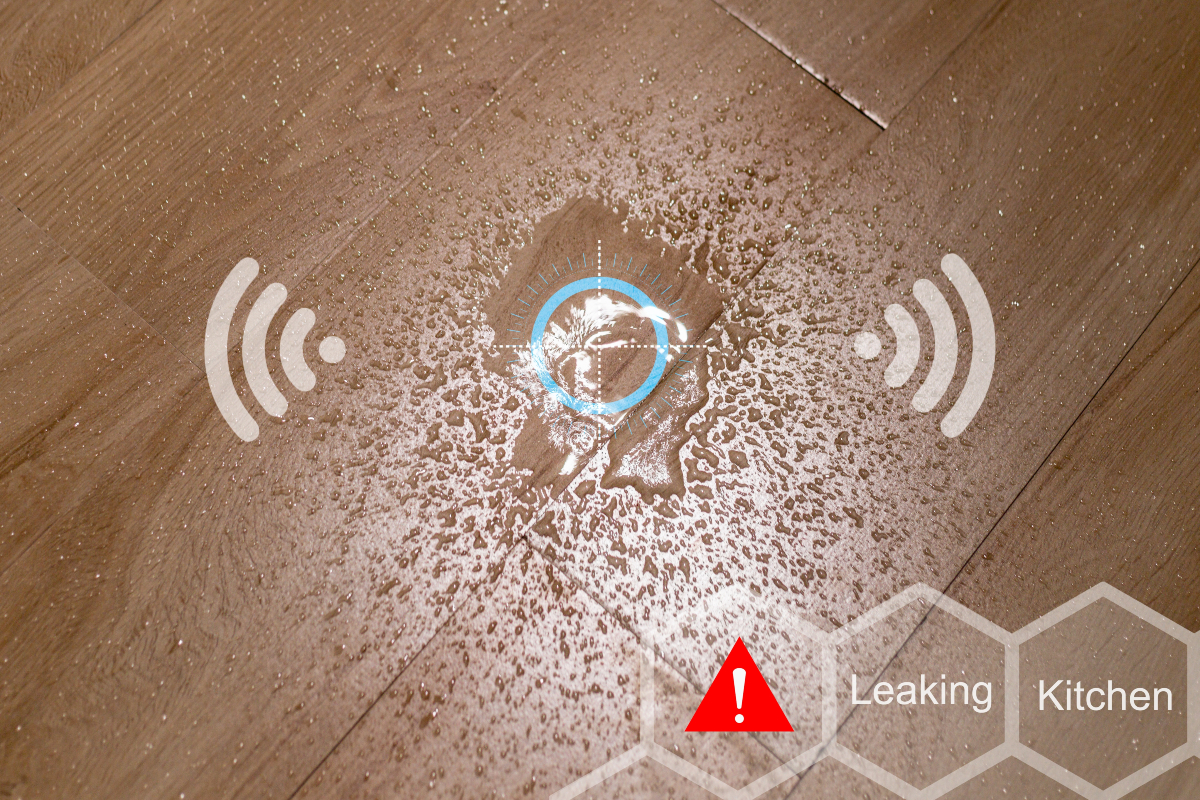
From Water Losses to Water Intelligence
Why AI-based leakage detection is becoming a priority for utility teams—and what a practical training course should teach.
The challenge: finding the right signals in imperfect water data
A change in night flow, an unexpected pressure pattern or a shift in consumption may signal a leak. It may also reflect a faulty sensor, a changed operating schedule or a demand pattern. Water utilities need ways to distinguish these cases so field teams can investigate efficiently and safely.
Recent utility practice illustrates the importance of linking digital information to operations. The International Water Association has documented digital water-management lessons from Kenya, while Dubai Electricity and Water Authority has described a combination of monitoring, district metering and advanced leak-detection technologies. These are industry examples, not endorsements of this proposed training course.
How AI supports water leakage detection
AI can help utilities establish a baseline for expected demand, flag unusual network behaviour and prioritise areas for investigation. Utilities need to assess how often a model raises false alarms or misses leaks, and how its performance changes when readings are missing, weather affects demand or network operating conditions shift. Engineers use hydraulic information and field observations to assess whether an alert points to a physical leak. excentra.com
How AI-based leakage detection helps water utilities prioritise field investigations
Energy Training Centre has announced AI for Water Network Intelligence & Leakage Detection, a five-day training course in association with Excentra AI Academy. It helps utility teams assess whether changes in flow, pressure or consumption warrant a field investigation and decide how to use AI in their water-loss management work.
What the training course covers
Energy Training Centre brings a utility engineering and operations perspective, while Excentra AI Academy focuses on evaluating AI models, checking how reliably they perform and assessing how utilities can put them to use. The course covers water network data readiness, anomaly detection, water demand forecasting and the use of digital twins to evaluate network conditions.
Participants consider what evidence an alert should provide, when operators should escalate it and how to plan a pilot with measurable results. View the course outline on Excentra AI Academy.
Five questions to ask before piloting AI for leakage detection
1. What data can we trust?
Review meter accuracy, sensor coverage and gaps in the records. Check that flow and pressure readings are aligned in time and can be interpreted alongside operating conditions.
2. What does an alert tell us?
Identify what triggered the alert and agree which hydraulic checks, operating records or field observations would help determine whether it points to a leak.
3. What happens when the model is wrong?
Track false alarms and missed leaks. Assess whether the volume of alerts is manageable for the field teams responsible for investigating them.
4. Who makes the final decision?
Define who reviews alerts, when to escalate a suspected leak and which decisions require operator approval before any action is taken.
5. How will we measure the value of the pilot?
Choose a pilot area and record baseline measures, such as the number of alerts and the time it takes to investigate them. Agree what evidence would justify proceeding beyond the pilot.
Who should attend?
The training course is designed for water distribution and leakage engineers, non-revenue water managers, utility operations leaders, hydraulic modellers, water infrastructure asset managers, network monitoring specialists and utility AI and data teams.
Explore Energy Training Centre’s AI and Data Intelligence Training Courses.

Popular Training Venues

Popular Training Categories



Explore More Training Insights
Discover expert tips, industry trends, and best practices to enhance your professional development journey.
View All Articles